
FAQs
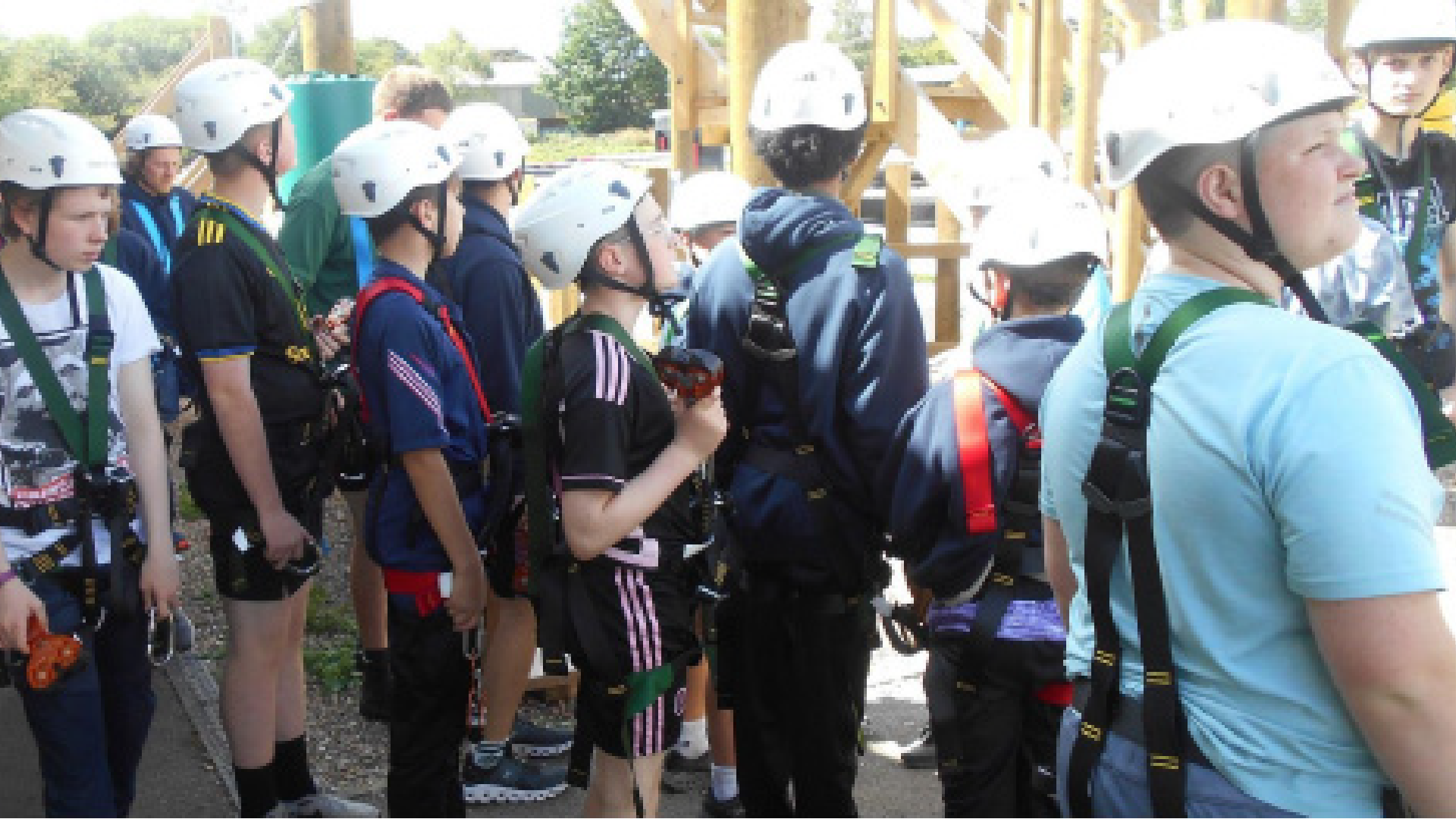
Answers to common questions related to your grant application.
Can we apply online?
Yes – please use this link to apply online. Please complete the on-line application form and submit it. We recommend you either complete it in one sitting or prepare your answers to the questions in a word document first then paste into the form. The postal address is still available if you prefer.
When should I apply for funding?
We welcome applications once every twelve months. The Trustees meet quarterly, usually in January, April, July and October, and your application needs to be submitted at least four weeks before the Trustees meeting. The date of the next meeting is displayed on our Applications Page. Eligible applications will be acknowledged with confirmation of the date the application will be considered and if required, further information requested.
If your application is successful, a donation will be transferred by bank transfer to the bank account given on the application form. PLEASE ensure the name of your charity’s bank account, sort code and account number are all correct. The donation will be transferred within 2 weeks of the meeting, and the applicants informed of their success, BUT no further correspondence will be sent to unsuccessful applicants.
Do you fund national charities?
We fund local organisations, based in the Northeast of England, defined as the old counties of Northumberland and Durham. This includes Tyne and Wear and Cleveland, north of the river Tees. The Trustees try to follow the interests of the founder where they meet the present needs of the people and organisations of the Northeast.
What type of organisations do you support?
Social Welfare
- Projects that support people who are disadvantaged because of their social or economic circumstances
- Help for people with debt or their welfare rights and benefits
- Prisoners, ex-offenders or those at risk of offending and their families
- Community centres and groups offering a range of activities for the benefit of the community
- Hospices and centres providing care for those who are terminally ill and their families
- Homelessness projects providing accommodation and opportunities for individuals and families to support their own tenancies
Youth
- Projects that maximize young people’s potential especially those facing economic and social disadvantage
- Support for young people and children including uniformed organisations and those seeking to improve young people’s skills and employability
- Young people who are ex-offenders or those who are at risk of offending and those engaged in anti-social behaviour
- Youth clubs and groups providing alternative curriculum activities for young people
Disabled or Elderly
- Projects that support older people who are vulnerable and/or isolated to engage with the wider community and with their peer group
- Projects that enable older people to remain independent and in their own homes
- Opportunities for older people to take part in social and educational activities in care homes, their own homes or within organisations in the community
- Opportunities for people with disabilities to take part in society and achieve their aspirations
- Support for people with disabilities, their families and carers to live independently and engage in employability, leisure and educational opportunities
Ethnic Minorities
- Activities that promote equality of opportunity for people from ethnic backgrounds
- Projects that encourage integration and understanding of different cultures
- Projects aimed at education, employment and social inclusion
Environment
- Projects that improve the environment and involve the local community and people
- Activities that promote sustainable environmental improvements
- Opportunities for social, educational and leisure activities for people of all ages within their local environments
Education
- Projects that offer educational opportunities for people of all ages that improve their quality of life
- Activities of an educational nature that support young people’s future aspirations
- Projects that are community based and appeal to people who would not normally access educational opportunities
The Arts
- Projects that promote the use of the arts to develop community cohesion
- Activities that bring people together to appreciate music, drama and dance
- Community based projects that aim to enhance people’s understanding and enjoyment of the arts
What is the average grant size?
Our grants range from £500 to £2,000. It is unusual for the Trust to make grants in excess of £2,000.
How do I apply?
We have an online application. It would be helpful to us if you used this. For anyone that can’t, we will still accept applications by letter or by email. Please read the information on our Applications page.
What happens after we send in our application to the Trust?
Your application will be acknowledged. If your organisation or project does not meet our criteria we will inform you. If your application is eligible, we may contact you to request more information, to arrange a visit, or to ask for an update. We will then appraise your application to ensure that the Trustees have the relevant information to make an informed decision on your request for funds. A summary of the project is then produced and will be presented to the Trustees at their next meeting.
What happens after the Trustee Meeting and how long will it take?
If successful we will email you within 2 weeks following the meeting, and we will. make payment into your bank account. We will also send a receipt of payment which must be signed and returned as soon as possible. There is no correspondence sent to unsuccessful applications.
What happens after we receive the Trust’s grant?
Upon receiving a grant payment, please complete and return to the Trust an acknowledgement receipt.
What is the feedback form for?
The Trustees request you to complete a feedback form within twelve months of the allocation of the grant. We like to know how the grant has helped your organisation, if you have achieved what you set out to do, and whether the funding made a difference.
Does the Trust support Individuals?
The Trust does not give grants to individuals.
Why was my application not successful?
- The application fell outside the Trust’s criteria and/or area of benefit
- The application was not submitted in accordance with the Trust’s guidelines
- Requested supporting documentation and/or further information not received
- The Trust had insufficient funds to meet all the requests received.
Can we re-apply for funds?
Yes: Unsuccessful applicants must wait 12 months before re-applying. Successful applicants must wait at least 12 months before re-applying.
Can we use the Hadrian’s Trust logo?
With the Trust’s permission the logo is available for use by grant recipients. Please contact the Trust and we will happily send the logo by email.
Home
Who we support
Applications
- Application form
- FAQs
- Useful contacts
Contact us
Terms and Conditions
Privacy Policy
Photographs kindly supplied by WHiST, Boys Brigade, Seven Bridges, National Literacy Trust and the Country Trust.